



Importing Labour to Address Manpower Shortage
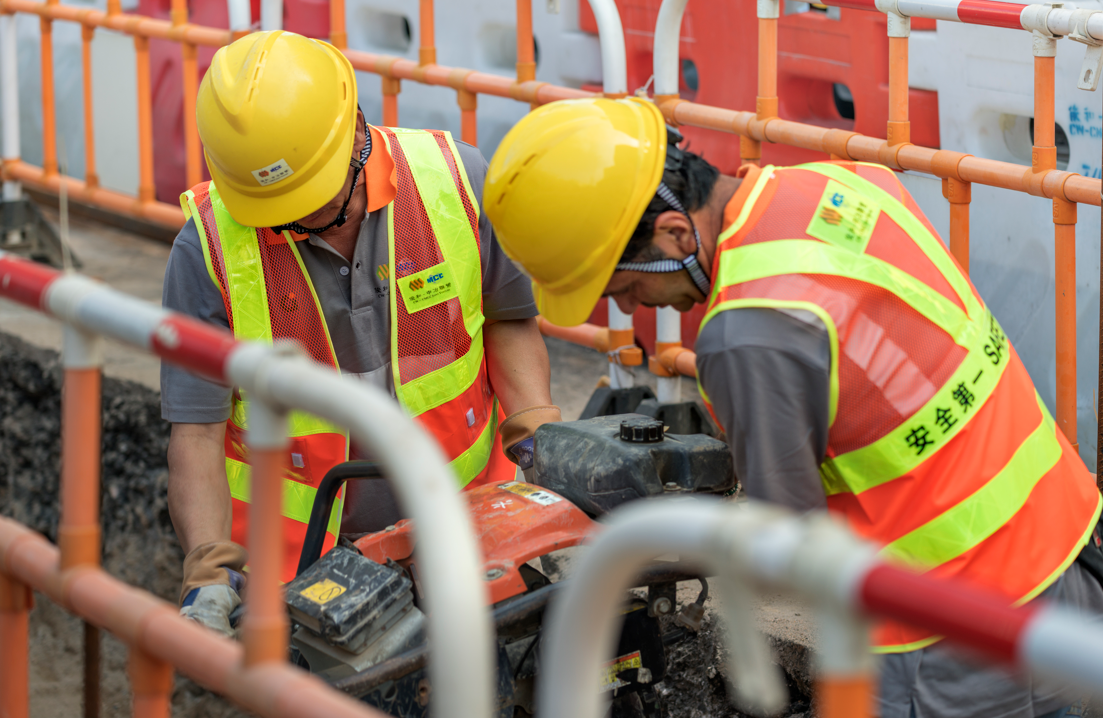
The construction industry is facing a serious manpower shortage. According to the Construction Manpower Forecast released by the Construction Industry Council(CIC) earlier this year, there is currently a shortfall of around 10,000 skilled workers, which is expected to rise to approximately 40,000 by 2027. Moreover, the average age of frontline workers is close to 50, indicating an aging workforce and a lack of younger replacements.
Importing Labour Is a Practical Necessity
With numerous infrastructure and building projects in the pipeline, the government anticipates the total annual project volume to reach around HKD 300 billion in the coming years. The construction industry is therefore heading into a peak period of manpower demand. There is a general consensus within the industry that, given the shortage of local workers, moderately importing qualified foreign labour is an effective way to boost productivity. For the long-term development of the industry, importing, retaining, and nurturing talent are all equally important.
Labour poaching on construction sites is common, resembling the frenzy of smartphone scalping—where limited supply leads to “highest bidder wins.” However, talent loss inevitably affects project efficiency and progress. Although apprenticeship programs can train local workers, they are insufficient to meet the immediate needs of multiple projects. Thus, importing labour is a temporary solution to address the current challenges.
Imported Labour Does Not Mean Cheap Labour
In my view, most contractors considering participation in the scheme are not aiming to reduce labour costs. Hiring foreign workers is not cheaper than hiring local ones. Employers must offer wages at the market median to protect local workers’ income, and also provide accommodation and training. In fact, the industry negotiates salary adjustments with local unions annually, and this practice is expected to continue—striking a balance between contractors’ affordability and workers’ expectations.
Furthermore, with support from the government and industry, contractors will continue investing in training to help local workers gain experience and skills. This also aims to attract more young people to join the industry, ultimately achieving self-sufficiency in the construction sector. I believe this is the sustainable path forward.
Labour Market Imbalance – Diversified Channels to Attract and Retain Talent
Undeniably, Hong Kong’s labour market is experiencing an imbalance, not limited to the construction industry. The government must acknowledge and actively address this issue. As a member of the construction sector, we have adopted various innovative technologies in recent years, such as Modular Integrated Construction (MiC), Building Information Modeling (BIM), and artificial intelligence, to promote industry transformation and digitalization, while also enhancing the industry’s image.
To help retain talent, the government could consider adding specific requirements to future project contracts—for example, increasing the proportion of monthly salaried workers, and providing regular training for both current staff and newcomers. This would create a stable and attractive working environment with a clear career progression path. We hope the government will implement a targeted labour importation scheme and roll out projects in a steady and orderly manner, using a multi-pronged approach to improve project quality and alleviate manpower shortages.

2023-07-01
By Ir Dr. Pang Yat Bond, Derrick, JP
Chief Executive Officer
BSc, MEng, MBA, PhD, PE(US), MICE, MHKIE
Tags:

Leave your comment