



Opportunities Abound in the Northern Metropolis – Collaboration for Mutual Benefit is the Key to Development
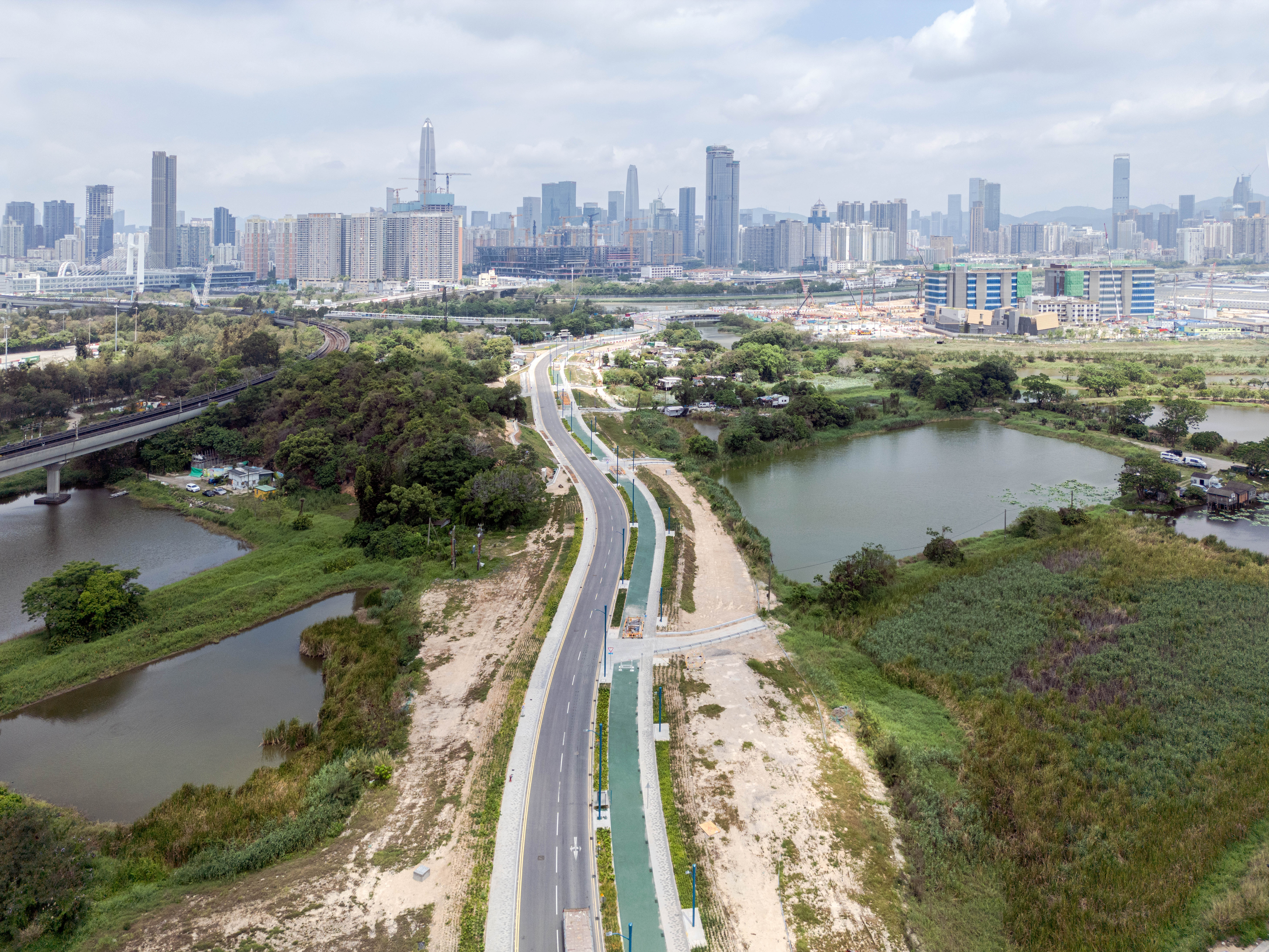
The Northern Metropolis is not only a major source of future housing and land supply, but also a crucial engine for Hong Kong’s long-term development, integrating talent clusters, industrial growth, and cultural leisure.
Recently, the government received over 20 expression of interest(EOIs) submissions for three pilot areas in the Northern Metropolis, reflecting a positive market response. To accelerate development in the area, the key lies in establishing flexible public-private partnership (PPP) models that leverage the agility and development power of the private sector, effectively utilizing social and corporate resources to create synergy. As a member of the local construction industry, I am excited about the opportunities in these new zones and hope the relevant departments will consider the following suggestions to jointly drive development.
PPP is not a new concept. A recent success is the Kai Tak Sports Park, where the developer handled design, construction, and operations, while the government focused on funding and oversight. The result was a creative, market-driven, world-class venue that also met public needs. In contrast, the Kai Tak Cruise Terminal failed to meet expectations. To maximize the potential of new development zones, the government should harness the flexibility, efficiency, and creativity of private enterprises to drive development that aligns with market needs and showcases innovation. For private enterprises, if the government can assist with fundraising—especially during periods of high interest rates—and share leasing or sales risks, it would greatly enhance their willingness to participate in development projects. In the face of global economic turbulence, PPP represents a “strong alliance,” where each party contributes its strengths to achieve a win-win outcome.
I believe that when establishing the administrative framework for the Northern Metropolis pilot areas, the authorities should prioritize reviewing and simplifying cumbersome approval procedures, such as consultation processes, land acquisition, and planning. A dedicated department should be set up to coordinate and manage affairs within the area, including planning and resource allocation, to improve administrative efficiency and avoid delays in project and infrastructure progress, thereby reducing time and costs.
Moreover, actively adjusting contract requirements to allow contractors to use high-quality, cost-effective materials can ensure better resource utilization in development plans. Adjusting contract terms does not mean compromising on construction quality or safety. On the contrary, adopting new high-quality materials can accelerate construction, improve quality and efficiency, and align with sustainable development goals. For example, in the Fanling North New Development Area, the government used domestically produced S960 ultra-high-strength steel to build a pedestrian bridge. Compared to traditional materials and methods, the project saved 30% in costs and significantly reduced its carbon footprint due to fewer transport trips—an approach worth emulating.
The Northern Metropolis is a large-scale land development project with abundant land resources and planning flexibility, making it an ideal testing ground for emerging technologies and industries such as “low-altitude economy,” new construction techniques, and automation. The success of the plan also depends on whether the public can abandon outdated development mindsets and accept that the government may need room for adjustment and improvement during the pilot phase. In past trial projects, government setbacks often drew harsh criticism, creating resistance to new development.
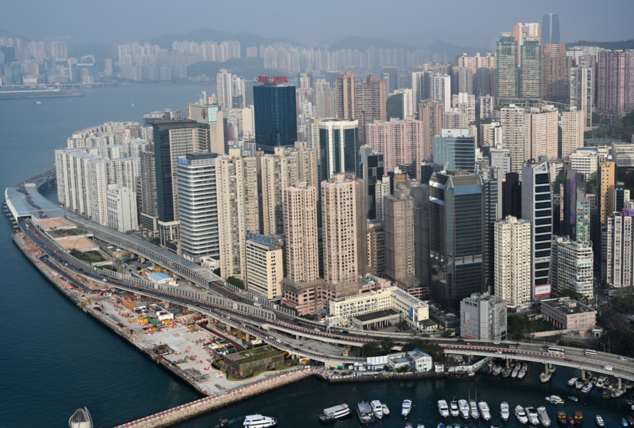
Finally, the essence of PPP is “strong alliance,” ideally attracting external expertise and enterprises from various sectors to participate, thereby promoting local technological development and competitiveness. In construction, there have been many cases of joint participation by local and foreign contractors in major projects, with advanced technologies worth learning from. However, due to the lack of local contractor involvement, these technologies were not passed on locally, limiting industry advancement. Examples include Hong Kong’s deepest Tuen Mun–Chek Lap Kok Tunnel and the Cross Bay Link in Tseung Kwan O—both missed opportunities. If the government can leverage large-scale projects to facilitate collaboration between foreign high-tech institutions and local companies, or break down contracts to allow participation by local SMEs, it would not only foster industry growth but also enhance technical standards and construction quality in the new zones. Ultimately, these achievements could be extended to the Greater Bay Area and the international stage, delivering true mutual benefits.

2025-04-01
By Ir Dr. Pang Yat Bond, Derrick, JP
Chief Executive Officer
BSc, MEng, MBA, PhD, PE(US), MICE, MHKIE
Tags:
Leave your comment